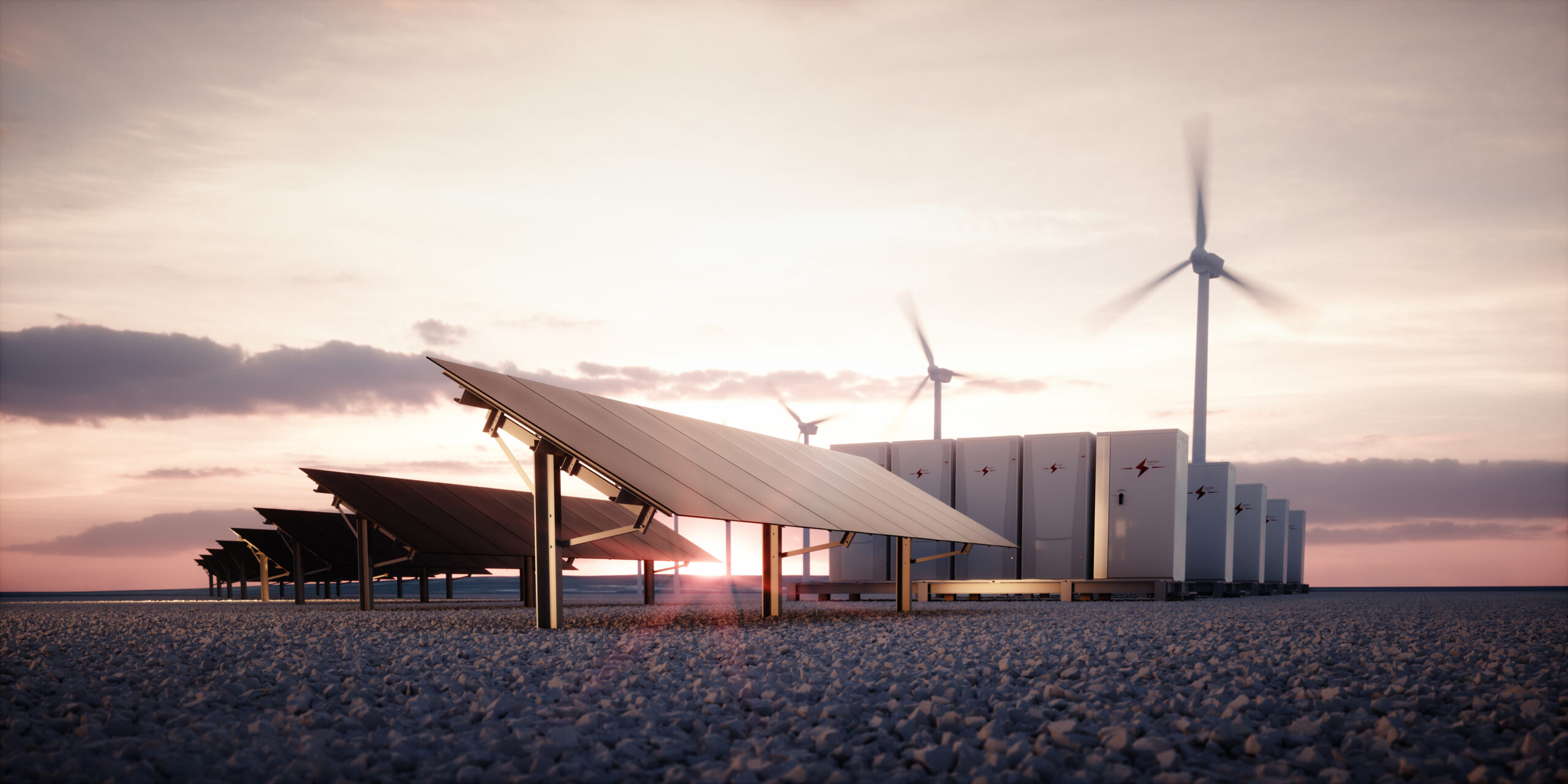
In spite of its overwhelming potential, policymakers across the continent seem hesitant to invest in energy storage. With climate change issues at the forefront of European consciousness and our over-reliance on Russia for fuel, it’s time that the continent realised the potential of battery energy storage, as we explore below.
The Russian problem
RePower is Europe’s policy strategy that targets the end of dependence on Russia for fuels. Following its publication in May, it’s fair to say that it falls short in several areas and is deliberately vague on how things are likely to transpire in the coming years.
However, the report does state that the EU states collectively recognise the importance of storing electricity. But it doesn’t say how they will go about it. Of course, to combat our reliance on Russia for fuel, we need to accelerate the pace at which residents across the continent are able to rely on renewable energy for all aspects of their lives.
Is RePower the answer?
There’s no doubting the fact that we need to collectively wean ourselves off Russian fuel and gas imports. This was a decision made at the highest level by the European Commission.
The Commission knows that renewable energy sources are the answer, but instead of calling for more renewables, it’s time we looked at the way of storing the energy that our sustainable systems currently produce.
Our only hope of achieving this is if there is a continental roll-out of energy storage to replicate the speed at which the European Commission wants to transfer to indigenous energy sources.
After all, clear targets have been set across the continent for renewables and the progress being made is impressive. But we now need to take the next step and commit to rolling out energy storage at the same rate.
This should include ambitious targets and support mechanisms that enable governments and providers to expedite the energy storage systems within their nations.
What’s concerning is that a lot of think tanks and researchers mention that energy storage will become vital in 2040 and beyond. But in reality, there’s an exceptional demand for energy storage now, in 2022.
Why is energy storage getting the cold shoulder?
Fundamentally, renewable energy projects that don’t require storage are getting the go-ahead throughout Europe. But worryingly, we are lacking the collective mechanisms to roll energy storage projects out at the macro level.
As such, it’s vital that we create a collective strategy with EU member states that is comprehensive and cohesive. We need to put the same amount of effort into rolling out energy storage as we have done when it comes to transitioning to renewables.
We believe that a comprehensive, integrated European strategy on energy storage is required to achieve the growth that we want to see in this technology. Not only will this help us meet our renewable targets, but it will also help us wean ourselves off Russian gas more quickly.
Where does hydrogen come into the debate?
Recently, we’ve seen a focus on the potential of hydrogen. While it’s a method of storing energy, it’s difficult to see it being transformed into electricity again any time soon.
Due to the need for green hydrogen, it’s likely to be used to decarbonise industry and might even become a viable option for intercontinental flights and other forms of transportation.
There’s no getting away from the fact that hydrogen is one of the cheapest ways of storing energy in the short term – perhaps for a few months.
However, the problem lies in when you turn it back into electricity, as you stand to lose a lot of energy.
Given the increase in fuel costs and the energy crisis that has followed in Europe, it’s incumbent upon us to expedite the transition towards efficient energy storage, and we don’t see hydrogen being a part of a long-term strategy.
Final thoughts
What’s frustrating is that we have the technology to store energy on a massive scale, but we’re currently lacking the mechanisms and the political will to make it happen.
It will be interesting to see how we deal with the ever-increasing need for energy storage in the coming months and years and whether the EU will launch a continental strategy that allows us to achieve our lofty ambitions.


