
renewables

BESS: An Innovative Solution to the Climate Crisis

For the global community to successfully mitigate the climate crisis, we need more than one solution, there’s no doubt about it. But at AceOn, we take heart from the fact that a number of governments in different parts of the world now recognise the huge impact that battery energy storage systems (BESS for short) can play in turning the tide. Learn more about how BESS is an innovative solution to the climate crisis and how such systems can transform the...


Temporary energy respite must be seen as window of opportunity to install renewables

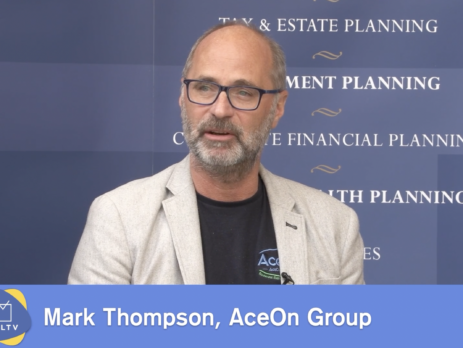
The Government’s plans to halve energy bills for businesses and other organisations for the next six months create a ‘window of opportunity’ for companies to invest in long-term, sustainable solutions to the energy crisis, the boss of a leading battery and energy storage firm said today.Mark Thompson, managing director of the AceOn group, and member of the national Faraday Battery Challenge Advisory Group for UK Government, says long-term solutions are essential if the country is to avoid a repeat of...


AceOn MD on Live TV

AceOn managing director Mark Thompson joined a panel of experts discussing Net Zero at Shropshire Business Live's latest event at Weston Park. Mark was part of the four-strong panel looking at issues around sustainability and the quest to save energy and money by achieving Net Zero. What a great opportunity for AceOn to introduce the potential of the clean, sustainable, and affordable solutions we could offer the region. https://vimeo.com/725254811


The Alarming Future of Electricity Rates in the UK

The alarming rise in electricity rates in the UK is no secret. In just 12 months between September 2020 and 2021, the wholesale price of electricity rose from £43.50 to £107.50 per MWh, a devastating rise for families and businesses throughout the country. Even during Covid-19, electricity rates weren’t anywhere near this figure, and it doesn’t bode well for the future. But what is it that is driving this increase in rates? And what does the future look like for...