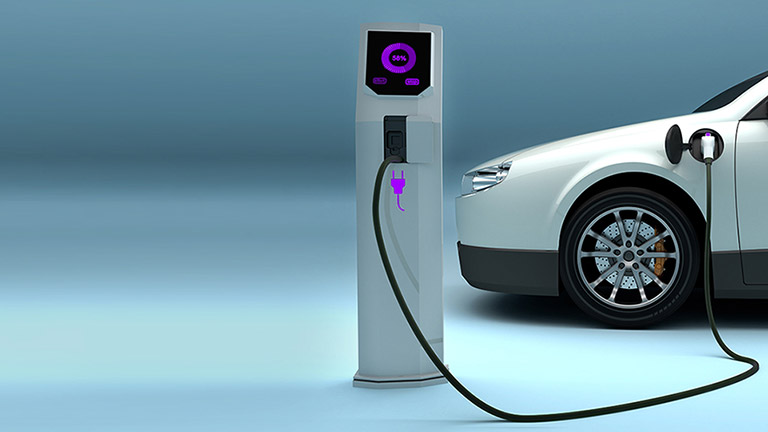
Many of us are aware that the transport sector is one of the main producers of greenhouse gas emissions in the United Kingdom. But to be fair, the government has ambitious plans to reach zero net emissions by 2050, which has seen huge increases in the electric vehicle (EV) market in recent times.
Directly because of this, we expect to see the demand for end-of-life EV batteries increase at a similar rate.
What is an End-Of-Life EV Battery?
Sadly, batteries don’t last forever! An end-of-life battery is one that has declined to approximately 80% of its initial value. Historically, this has been the time when people look to switch batteries to increase the performance of their vehicles.
But end-of-life batteries are now attracting the attention of manufacturers and start-ups alike, who are keen to exploit the remaining capacity of the batteries in a secondary application.
Due to the difficulties associated with lithium-ion battery recycling, the second-life battery market has emerged as a potential solution to this issue. One way that has been identified for second-life battery use is stationery energy storage.
Second-Life Batteries Can Be Used for Energy Storage.
Stationary energy storage is in substantial demand, as people in the UK are looking to decrease their dependence on the grid. Companies, homeowners, and industrialists alike are utilising battery energy storage to reduce their bills and work towards a more sustainable future for the planet.
Installing stationery energy storage allows energy to be stored in a particular place, so it can be used at periods of low supply. It can even be sold to energy companies at periods of high demand, to reduce the pressure on the grid.
Projections show that second-life batteries are likely to be 70% cheaper in five years-time, which is an alluring proposition for homeowners looking to store the energy they produce independently.
Are There Any Problems with Second-Life Batteries?
Perhaps the most significant downside of second-life batteries is that they’re not new! This means they won’t last as long and will be of inferior quality to battery energy storage systems that employ new batteries.
What’s more, second-life batteries aren’t likely to meet the demand for stationary energy storage for at least a decade, as there won’t be sufficient waste until at least 2030.
Another drawback to consider is that second-life batteries can only be used after a sophisticated (and expensive) testing process has been carried out, to ensure they’re safe and productive in their new application.
To those within the battery industry, this process is known as grading, and not all second-life batteries will be suitable for use in battery energy storage systems.
Is the Future Positive for Second-Life Batteries as Energy Storage?
Overall, it’s fair to say that reusing EV car batteries in energy storage systems is an innovative and sustainable way of reducing battery waste. As the world continues to move away from fossil fuels, we will be more reliant than ever on innovations such as this, if we’re to meet our ambitious Net Zero targets.
And perhaps equally as important, second-life batteries will reduce the costs associated with energy storage systems, which will hopefully encourage even more homeowners and businesses to make the switch to more sustainable sources of energy.
Click here to learn about AceOn’s innovative and pioneering approach to battery energy storage.


